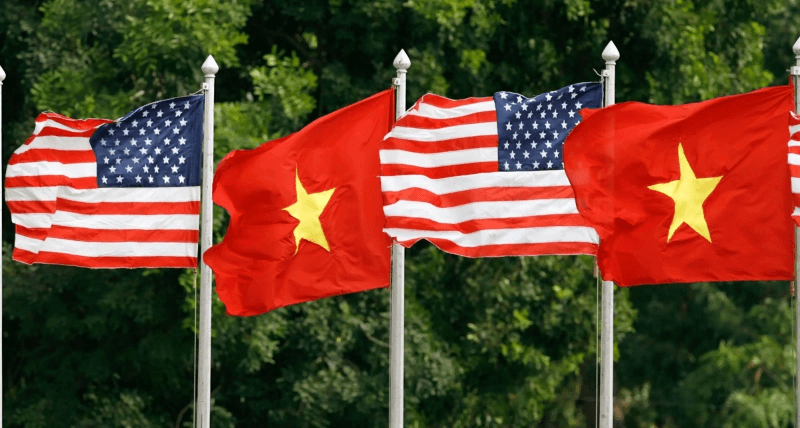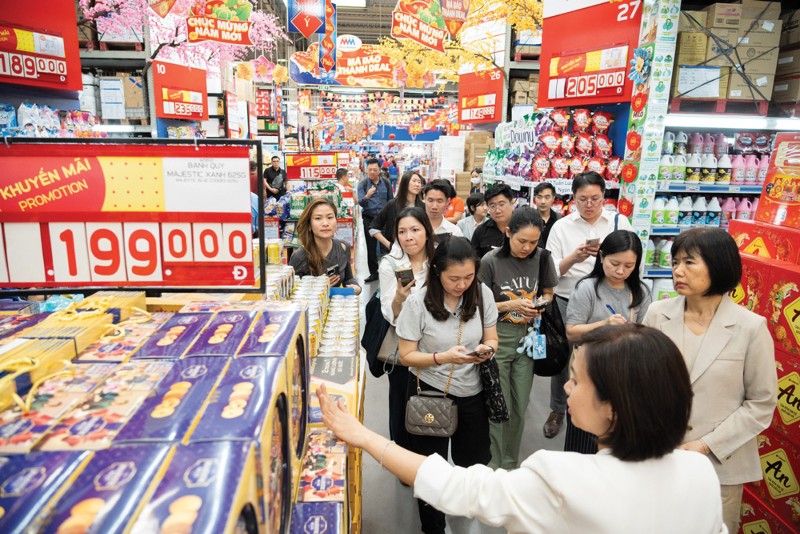
From July 9 to July 22, MM Mega Market Vietnam, in partnership with the US Embassy in Vietnam and the US Department of Agriculture (USDA), held the Great American Agriculture campaign, to support broader efforts to deepen Vietnam-US economic ties by increasing consumer access to high-quality American products and fostering stronger partnerships between businesses in both countries.
The campaign featured more than 250 US products supplied by 14 leading US agricultural trade organizations, including the US Meat Export Federation, the USA Poultry & Egg Export Council, Potatoes USA, US Pork, and US Beef.
At the campaign launch, Mr. Ralph Bean, Agricultural Counselor at the US Embassy in Vietnam, praised the results of agricultural trade relations between the two countries. “The campaign demonstrates USDA’s commitment to connecting Vietnamese consumers with safe, high-quality American agricultural products while supporting stronger commercial ties between the two countries,” he said.
Unlimited potential
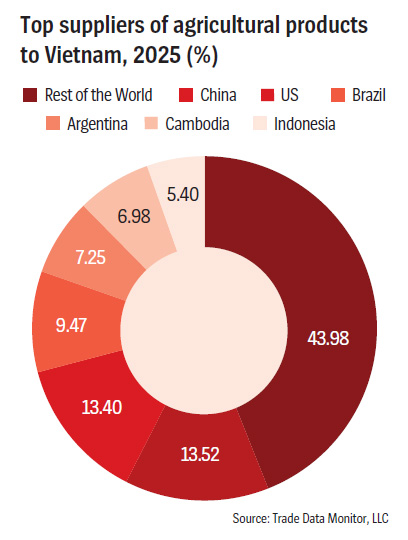
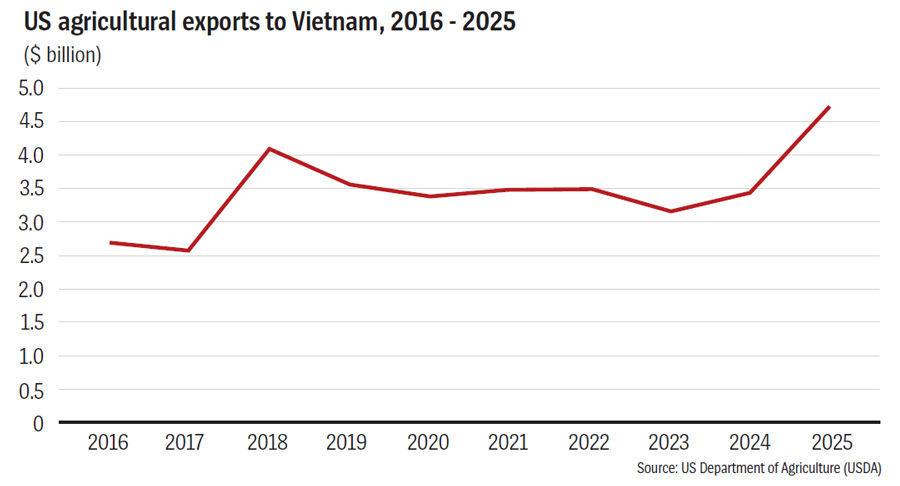
Market results show that the appeal of American agricultural products in Vietnam is growing, as clearly reflected in the record-breaking figure of $1.2 billion in exports of US consumer agricultural products to Vietnam last year.
Mr. Bean affirmed that the potential for development between the two countries is “almost limitless.” The cooperative relationship extends beyond mere trade, encompassing all aspects of the agricultural sector, with a deeply complementary and mutually-beneficial nature. “The US provides many essential raw materials for Vietnam’s livestock and other industries,” he added. “Conversely, Vietnam supplies the US market with important products such as coffee and fresh fruit. Besides trade, we are also working with Vietnam to enhance production capacity, risk management, and supply chain development.”
Besides well-known fresh fruit such as cherries, blueberries, and apples, the diversity and flexibility of the US agricultural product portfolio are also evident across many other key product categories. Mr. Bean pointed out that annual export figures fluctuate according to market demand: some years see strong growth in raw materials such as cotton, while others see exceptional sales of nutritious nuts such as walnuts and pistachios. This rich diversity, combined with regularly organized promotional and trade facilitation programs, has created a sustainable competitive advantage for US agricultural products.
In particular, this potential continues to expand through policy negotiations and ongoing trade promotion activities between the two governments. “We are continuing negotiations with the Vietnamese Government to bring more agricultural products and fresh fruit into the market,” said Mr. Bean. “Recently, the US has been granted permission to export citrus fruit such as tangerines, and more recently peaches, to Vietnam. In return, the US has officially opened its market to Vietnamese pomelo exports and hopes to welcome passionfruit exports in the near future.”
As a major distributor, Mr. Nguyen Duc Toan, Managing Director of MM Mega Market Vietnam, said the potential for US agricultural products in the Vietnamese market is enormous and continues to grow year after year. “Vietnamese consumers are increasingly discerning in their food choices, prioritizing products that meet strict safety standards, have transparent origin, and offer consistent quality,” he added.
MM Mega Market Vietnam’s distribution system has successfully delivered more than 250 US-origin products, generating revenue of nearly VND181 billion ($7 million) in 2025. “Currently, the most popular and frequently chosen product categories in our system include fresh and frozen food such as beef, pork, poultry, potatoes, and fresh produce,” Mr. Toan said. “In addition, packaged goods, processed foods, nuts, grains, confectionery, spices, and premium wines are also experiencing strong sales among both retail customers and restaurant and hotel partners.”
Resolving bottlenecks
Despite the vast opportunities, bringing premium agricultural products from the US to Vietnam still faces significant operational challenges, particularly in cross-border logistics infrastructure and cold chain supply management.
Mr. Bean pointed out that, to attract more US businesses and suppliers, certain operational challenges need to be addressed. Logistics remains a key bottleneck, particularly cold chain infrastructure and the handling of perishable goods. When dealing with temperature-sensitive imports such as cherries or meat, market predictability is critical. “Overall, transparency and predictability are the two most vital factors,” he added. “A consistent regulatory framework, applied predictably and transparently, will be key to expanding both US exports to Vietnam and broader long-term investment.”
Mr. Toan also emphasized that the biggest challenge for imported agricultural products lies in cross-border logistics and managing a closed-loop cold supply chain. The vast geographical distance between the two countries requires extremely strict and uninterrupted temperature control, from international transportation and specialized warehousing to in-store delivery, to maintain absolute product freshness.
Furthermore, optimizing import costs to maintain competitive prices in the domestic market, while adapting quickly to changing consumer preferences for food safety and premium quality, also remains a key challenge. “Therefore, we implement a rigorous quality assurance process, proactively select a unique product portfolio, and organize interactive culinary experiences and cooking demonstrations in our stores, making premium imported products more accessible and familiar in the daily meals of Vietnamese families,” he said.
These complex operational challenges also highlight the need for close collaboration with modern retail chains, which serve as a crucial link in the supply chain. Reputable retail systems not only provide standardized logistics infrastructure but also act as a bridge to deliver products to consumers in the best possible condition.
“Transporting large, perfectly ripe cherries from orchards in the US to Vietnam requires highly-specialized techniques,” Mr. Bean said. “We need retailers like MM Mega Market because they ensure product quality is maintained throughout the shipping process, allowing consumers in Vietnam to enjoy products that meet the same standards as in their country of origin. In general, retail systems, along with supermarkets and convenience stores in Vietnam, play a crucial role in bringing high-quality US products to consumers.”
Meanwhile, Mr. Toan affirmed that MM Mega Market consistently receives strong strategic support and cooperation from global trade organizations such as the USDA to ensure a reliable, high-quality supply chain is in place. In addition, the company proactively promotes direct partnerships and diversifies its premium import sources from countries with stringent quality control standards, aiming to optimize the supply chain and meet the increasingly demanding requirements of both retail customers and professional HoReCa (hotel, restaurant, and catering) clients.
Looking ahead, Mr. Bean emphasized capacity-building programs for Vietnam’s agricultural sector, including the transfer of cold chain management and risk management techniques. He also recommended that Vietnamese businesses leverage Vietnam’s emergence as a regional agricultural processing hub by importing grain from the US for further processing and re-export, while applying these capabilities to domestic agricultural products to increase value and improve farmers’ incomes.
In addition, the top priority is for Vietnam to maintain and further develop its existing strengths, especially by improving supply chain management, processing technology, and post-harvest preservation to ensure agricultural products meet global quality standards. At the same time, expanding the deep-processing industry will be key to creating higher-value products instead of simply exporting raw materials.
Vietnam also possesses agricultural products that stand out globally, particularly coffee. “If Vietnam implements effective and systematic brand-building and positioning programs, I believe these strong products will create even greater opportunities in international markets,” Mr. Bean said.
Nguồn: Linh Ngoc VNEconomy